Translucent Teeth: What’s Normal vs. What’s Not
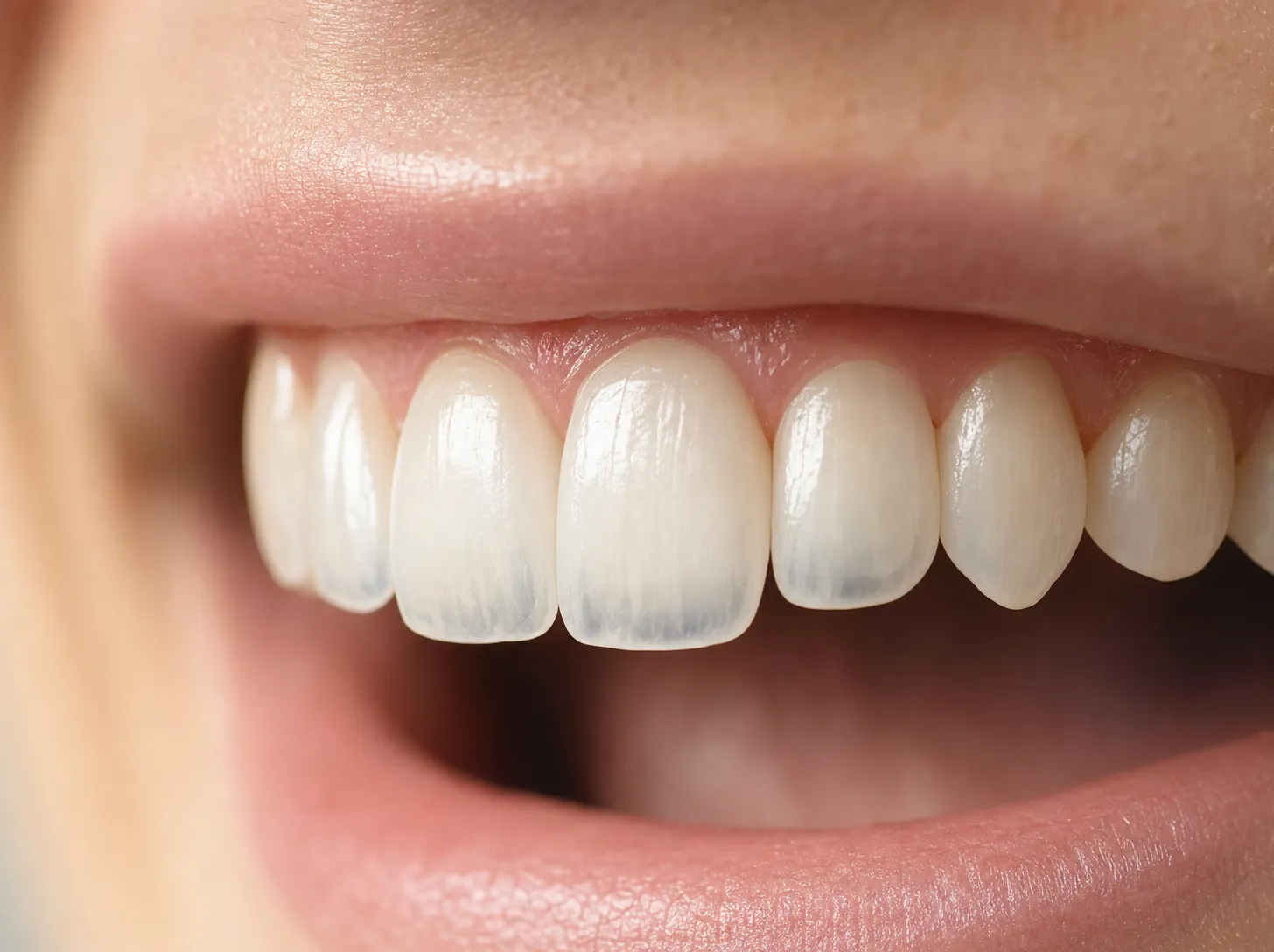
Enamel is naturally a little translucent. At the very edge of the front teeth, where enamel is thinnest, some light passes through even on healthy teeth. A faint grey tint at the biting edge that has always been there is likely just how those teeth are built.
What’s not normal:
- Translucency that’s gotten more visible over the past few years
- Edges that look grey or bluish rather than just slightly see-through
- Teeth that feel thinner, or edges that chip more easily than they used to
- Increased sensitivity to cold or sweets along with the see-through look
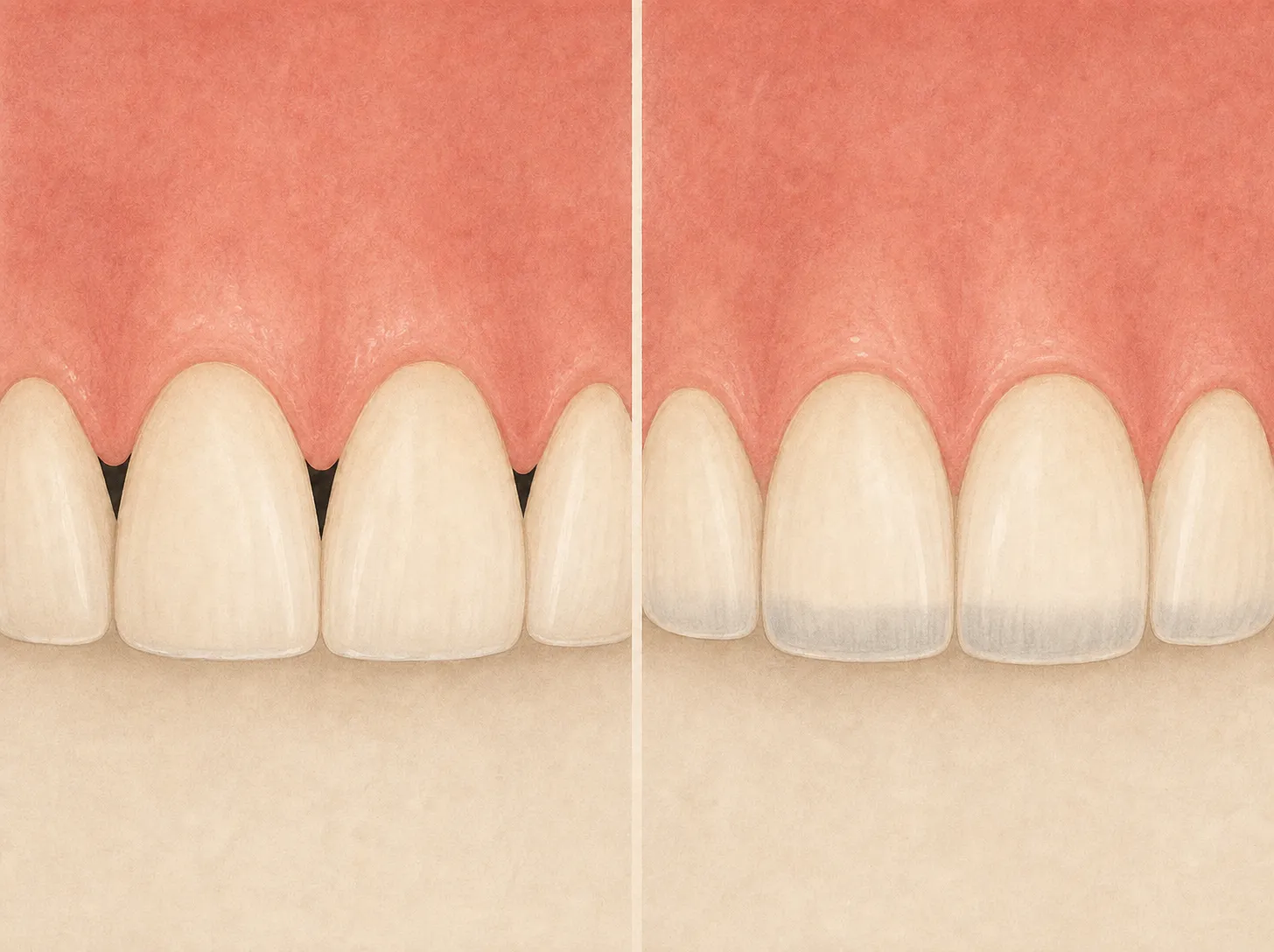
The difference comes down to enamel thickness. A little translucency at the edge is anatomy. Increasing translucency means the enamel is getting thinner over time, usually from acid wearing it away or grinding wearing it down. Once the change is visible, something is actively happening to the tooth.
What Causes Translucent Teeth?
Enamel doesn’t grow back once it’s worn away, so figuring out the cause matters. Here’s what typically drives it.
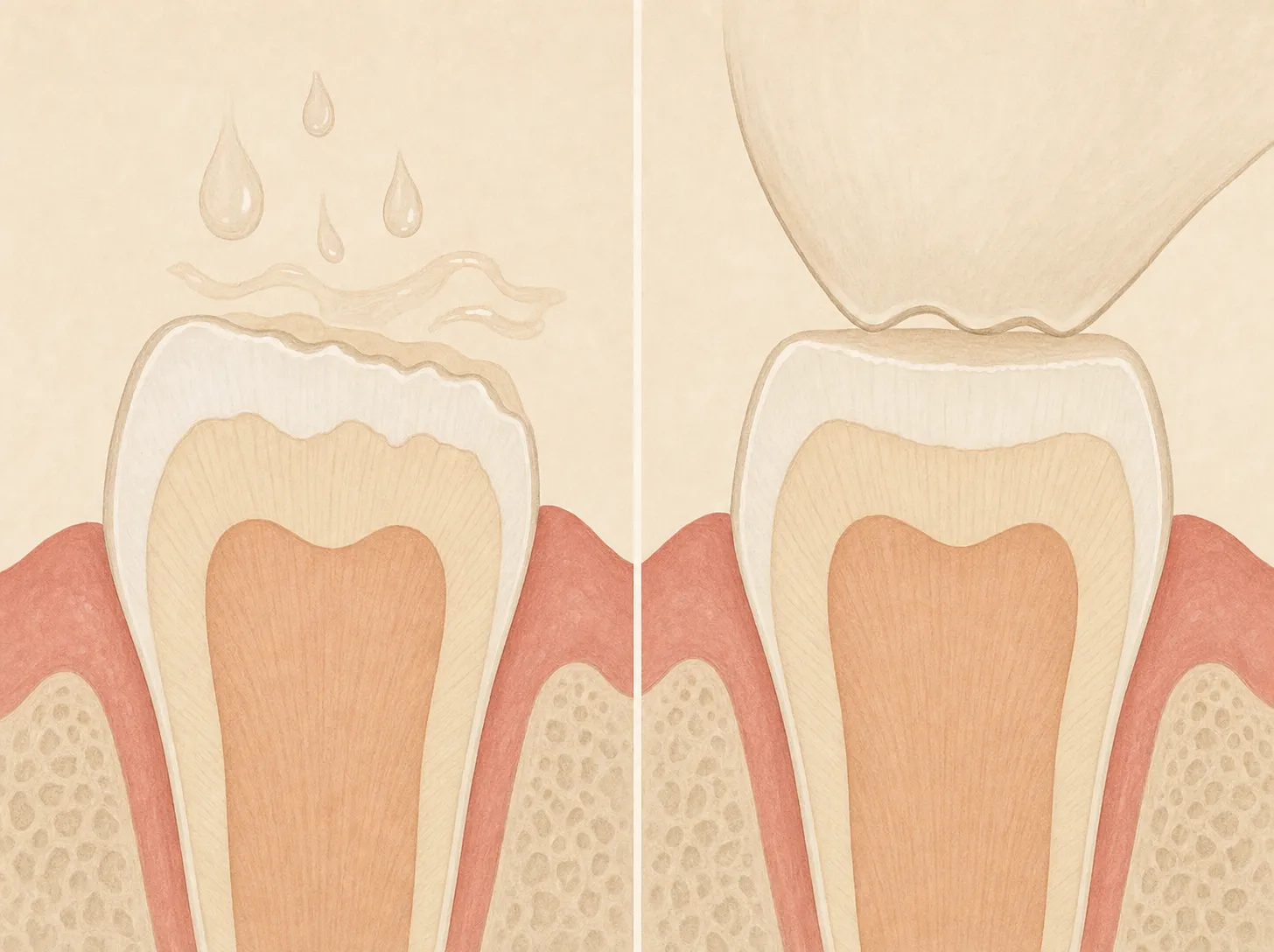
Acid Erosion
The most common cause. Acid softens enamel and wears it thin over time. Sources include soda, sports drinks, wine, citrus, and sparkling water sipped throughout the day. Acid reflux (GERD) does the same thing from the inside, often without any other symptoms.
Enamel Hypoplasia
Some people are born with thinner enamel than average, or enamel that didn’t fully mineralize during childhood. This can run in families or result from illness, certain medications, or nutritional issues during tooth development. Teeth that have looked slightly translucent since the teenage years often trace back to this. The same enamel defect is a common source of white spots on teeth.
Celiac Disease
Undiagnosed celiac disease can cause enamel defects, including thin, translucent-looking teeth, because the body isn’t absorbing the nutrients enamel needs to form properly. Thin enamel alongside digestive symptoms with no other explanation is worth raising with a physician.
Bulimia and Frequent Vomiting
Stomach acid is highly erosive to enamel. Repeated exposure from bulimia or other conditions involving frequent vomiting wears teeth down quickly, often starting on the back of the upper front teeth. Telling the dentist what’s going on is what makes it possible to protect the remaining enamel and treat the teeth already affected.
Grinding and Clenching (Bruxism)
Grinding wears enamel down mechanically instead of dissolving it chemically. It often shows up as flattened, shortened front teeth along with the translucent look. Many people grind at night without knowing it until a partner mentions the sound or a dentist spots the wear pattern. Grinders often notice faint vertical craze lines in the front teeth alongside the translucency, since both come from the same stress on the enamel.
Aging
Enamel thins gradually over a lifetime of normal chewing and exposure to acidic foods. Some increase in translucency by your 40s or 50s is expected.
Can You Fix Translucent Teeth Naturally?
No. Enamel doesn’t regenerate. Once it’s worn thin enough to look translucent, no toothpaste, oil, or home remedy rebuilds it back to its original thickness.
Fluoride and hydroxyapatite toothpastes can harden the outer layer of enamel that’s still there and slow further mineral loss. That’s a real and useful effect. It isn’t the same as fixing translucency that’s already visible. It protects what enamel remains rather than restoring what’s gone.
For acid erosion, the highest-value natural step is removing the cause: cutting back on soda and acidic drinks, rinsing with water after wine or citrus instead of brushing right away (brushing right after acid exposure can wear softened enamel down faster), and treating reflux if that’s the source. That stops the problem from getting worse. It doesn’t reverse what’s already happened.
How Dentists Fix Translucent Teeth
Once enamel has thinned enough to look translucent, the fix is adding material back. Which option fits depends on how much translucency is present and what else the patient wants to improve.
Composite Bonding
For mild to moderate translucency, especially when it’s isolated to the edges of one or two front teeth, composite bonding is usually the first option. The dentist builds up the worn edge with tooth-colored composite resin, matched to the natural shade, restoring the opacity and length that erosion took away.
It’s done in a single visit, doesn’t require removing healthy tooth structure, and can be touched up later if it wears down further.
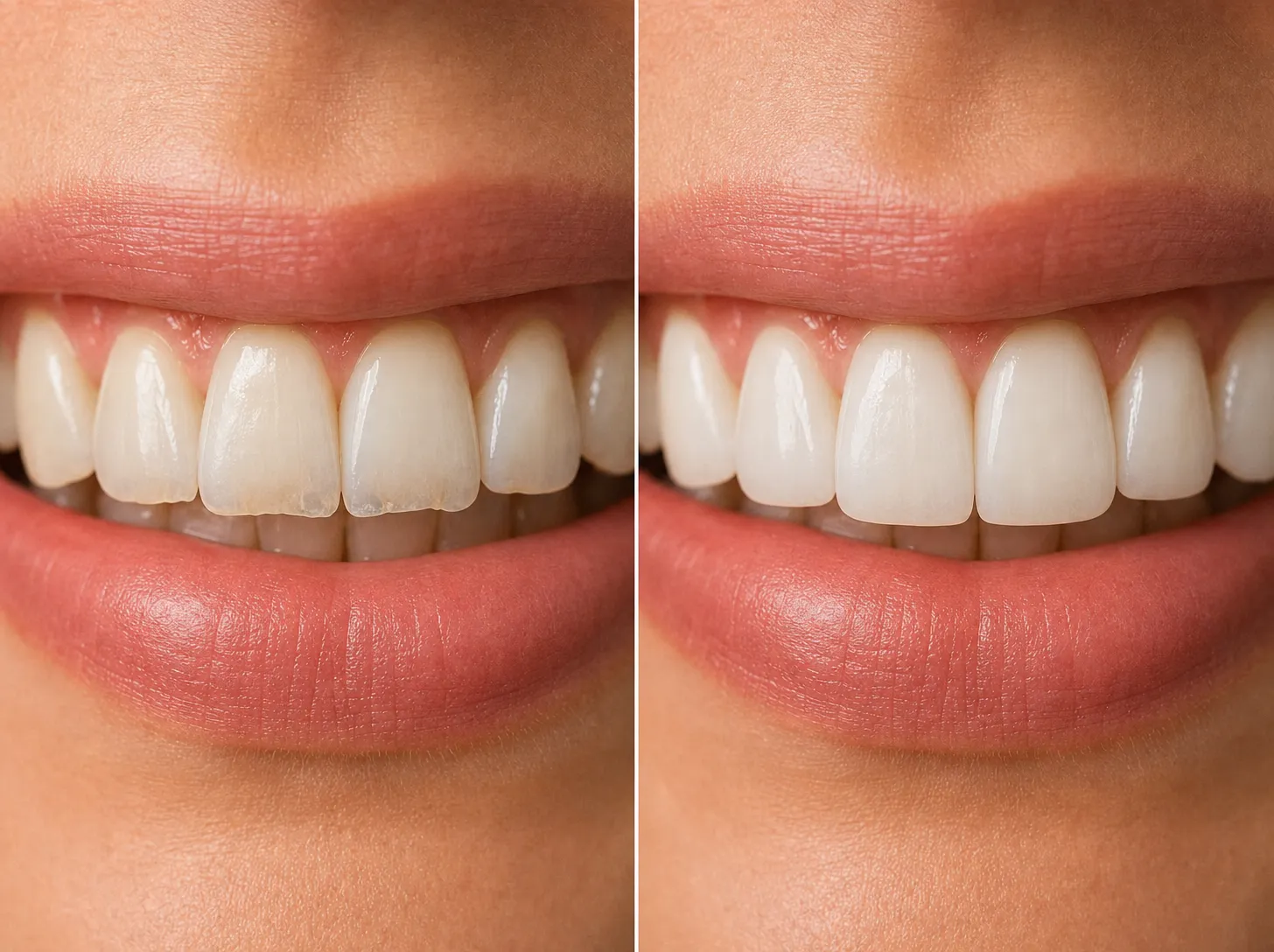
Representative image, not an actual patient photo.
Cost range: $240 to $475 per tooth, depending on how many surfaces need rebuilding. Our dental bonding cost guide breaks down pricing by case complexity.
Composite Veneers
When translucency covers more of the tooth, or the shape or color of the front teeth is also a concern, a full composite veneer covers the entire front surface rather than just the edge. That gives more even coverage and a more complete cosmetic result than edge bonding alone.
Cost range: $660 to $1,015 per tooth.
Porcelain Veneers
For severe, widespread translucency, especially from enamel hypoplasia or long-term acid erosion affecting several teeth, porcelain veneers give the most durable and stain-resistant result. Custom-made porcelain shells cover the front of each tooth and can fully mask translucency while also addressing shape, color, and alignment in the same treatment.
Cost range: $1,800 and up per tooth. Our porcelain veneers cost guide covers when veneers make more sense than bonding.
Treatment Comparison
| Treatment | Best for | Visits |
|---|---|---|
| Composite bonding | Mild translucency, one or two teeth | 1 |
| Composite veneers | Moderate translucency, some shape or color concerns | 1 |
| Porcelain veneers | Severe or widespread translucency, full smile goals | 2-3 |
Preventing Further Enamel Loss
Protecting the enamel that’s left is worth doing before or alongside any cosmetic treatment, whatever caused the translucency.
- Cut back on acidic drinks and sipping habits. Soda, sports drinks, and wine held in the mouth or sipped over hours do more damage than the same drink finished quickly.
- Wait before brushing after acid exposure. Rinse with water instead, and wait about 30 minutes before brushing, so you’re not brushing softened enamel.
- Wear a nightguard if you grind. A fitted night guard stops the mechanical wear even when the grinding happens in your sleep.
- Treat reflux if you have it. Managing GERD protects your enamel along with everything else.
- Use a remineralizing toothpaste. It won’t reverse existing translucency, but it slows further thinning.
- Get checked for celiac disease if enamel defects run alongside digestive symptoms. That’s a conversation for your physician, but worth raising if your dentist notices unusual enamel wear.
How Much Does Translucent Teeth Treatment Cost in Nashville?
Most cases of translucent edges need bonding on one to four front teeth, which runs $240 to $475 per tooth. More extensive wear, or a fuller cosmetic result, means composite veneers at $660 to $1,015 per tooth or porcelain veneers at $1,800 and up per tooth for severe cases.
Financing Options
The same financing that applies to cosmetic dentistry applies here:
- Sunbit: Most patients get approved in minutes. Qualified patients get 0% APR.
- HSA/FSA: Pre-tax dollars cut your effective cost by 20-30%.
- In-house payment plans: For larger cases, payments can be split across visits.
FAQs About Translucent Teeth
Why are my teeth translucent?
Some translucency at the very edge of your front teeth is normal enamel doing what enamel does. Increasing translucency, grey or glassy edges, or translucency you didn’t have before usually means the enamel is thinning, most often from acid erosion, grinding, or enamel that formed thin to begin with.
What causes translucent teeth?
The most common causes are acid erosion (from diet or reflux), enamel hypoplasia (enamel that didn’t form at full thickness), grinding, and general thinning with age. Celiac disease and frequent vomiting from bulimia can also cause it.
How do I fix translucent teeth naturally?
You can’t rebuild enamel once it’s worn thin. Remineralizing toothpaste can harden and protect the enamel you still have, and cutting out the cause (acidic drinks, untreated reflux, grinding) stops it from getting worse. Neither reverses translucency that’s already visible.
Is it normal to have translucent teeth?
Yes, at the biting edge, in small amounts. It’s not normal for translucency to be increasing, widespread, or paired with a grey or bluish tint. That points to active enamel loss.
Why do my teeth look grey and translucent?
Grey, glassy edges usually mean the enamel there has thinned enough that the darker dentin underneath is showing through. It’s the same underlying cause as regular translucency, just further along. Grey teeth without much see-through quality can point to a dentin problem or old tetracycline staining from childhood, which is a different issue than enamel thinning and treated differently. A dentist can tell the difference at an exam.
What do translucent teeth look like before and after treatment?
Bonding and veneers add back the opacity and length that thinning enamel took away, so the see-through, greyish edge is replaced with a solid, natural-looking one that matches the rest of the tooth. How dramatic the change looks depends on how much translucency you started with and which treatment you choose. We can show you comparable before-and-after cases at your consultation.
How much does it cost to fix translucent teeth?
Bonding runs $240 to $475 per tooth for most cases. Composite veneers run $660 to $1,015 per tooth for more coverage. Porcelain veneers run $1,800 and up per tooth for severe or widespread cases. We confirm the right option and the exact cost at your exam.
Can translucent teeth be a sign of something serious?
Sometimes. Untreated acid reflux, celiac disease, or an eating disorder can all show up first as thinning enamel. If your dentist notices unusual wear, it’s worth a conversation with your physician alongside any cosmetic treatment.
Does insurance cover translucent teeth treatment?
Usually not when it’s classified as cosmetic. HSA and FSA dollars do cover it. If erosion has caused decay or structural damage, the restorative portion may be partially covered depending on your plan.
Next Steps
A consultation with Dr. D’Aoust or Dr. Raffoul at our West Nashville office covers what’s happening to your enamel, whether bonding or veneers is the right fix, and your exact price before any work starts.
Book your first visit online or call (615) 933-5800. You can also contact us with questions first.